

April Murphy Isn't Waiting

Posted Wednesday, June 10, 2026

Erie Homeless Encampment

On a Saturday morning, before most of Erie is awake, April Murphy is pulling on gloves in a homeless encampment. 

She’s there, kneeling in the dirt, checking wounds, administering first aid, and distributing food. She moves from one small circle of conversation to the next, stopping to greet the dogs that stay close to their owners’ sides, tails wagging.

By Monday, she’s back inside UPMC Hamot serving as the Chief Nursing Officer and helping shape decisions that affect thousands of patients and caregivers across the region.

The difference between the settings couldn’t be starker. But for April, it’s the whole point.

She doesn’t separate what happens in a patient room from what happens outside of it. Housing, access, timing, trust. “It all intersects,” said April. “It’s not just about health care.” It’s about understanding what could have prevented the ER visit or hospitalization in the first place.
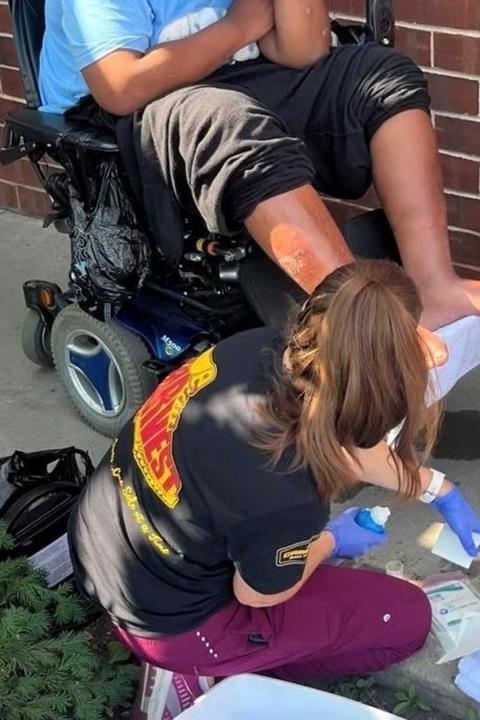
Woman checking a person's foot for health reasons.

That belief carries into her volunteerism with Harvest 912—at encampments and in their foot clinics, where she kneels again, washing, massaging, and fitting people with clean socks and new shoes.  

The instinct to step into complexity rather than around it has defined much of her career. As CNO, her work involves constant, high-stakes problem solving across a 445-bed trauma hospital that performs 55 surgeries a day, delivers 2,000 babies a year, and operates multiple intensive care units in addition to having the one of the busiest emergency rooms in the entire UPMC system.

“It’s a huge job,” said Boo Hagerty, president of HHF. “But April has the drive, passion, and mental agility to excel in this role.”

She didn’t start out with the goal of becoming a hospital executive. In fact, she’ll tell you she was “kind of up for whatever opportunities” came her way. Nursing was the path that opened to her early on. After that, it was less about career trajectory and more about leaning into the work in front of her.

“I really like to take challenges and figure out not only a solution, but how everything works and who it impacts,” she said. That way of thinking now shapes how she leads Hamot’s nursing teams as CNO, a position she’s held since June 1 after serving as interim over the past six months.  

April rounds regularly, walking patient floors, stepping into rooms, checking in with staff. It’s a practice she’s held onto intentionally. “I never want to be afraid to walk into a patient room,” she said. “I never want to get to a point in my career where I’m uncomfortable there.”

For her, leadership is about approachability and accessibility. It’s about people. She stays close enough to the work to ensure her decisions are tethered to the realities of frontline care. “Nursing is my passion,” she shared, “and this role allows me to influence and strengthen the experience and outcomes for our nursing staff and patients.”

April’s leadership is equally shaped by the understanding that the hospital is only one touchpoint along a much longer timeline of health and well-being. This awareness is one reason she was asked to serve on BUILD Community Development Corporation’s Board of Directors. This position felt like a continuation of how she already thought, an extension of the same questions she’s been asking all along.

Is this patient living in a shelter?
What happened before they came to the hospital?
What would have made this hospital visit avoidable?

The challenges BUILD is trying to address are the same ones she sees every day, just at a different point along the path.

“We often provide care in an immediate, needs-based way in the hospital,” April explained. “Patients come to us when they’re already sick, and we focus on stabilizing, treating, and healing them. Ideally, we would intervene earlier to prevent unnecessary hospitalizations and support overall health.”

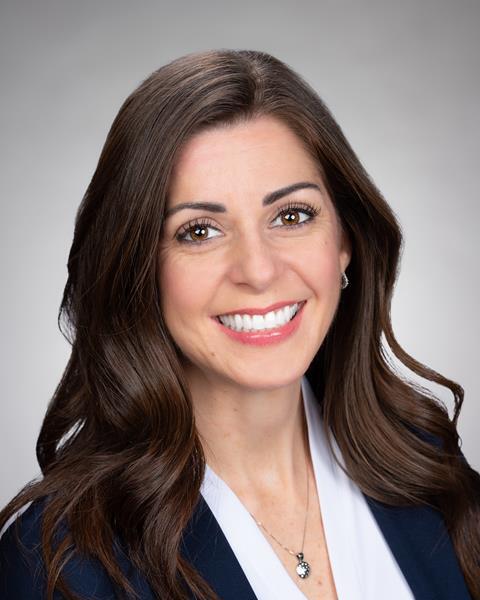
April Murphy Headshot
April Murphy

What she and BUILD are working toward looks different: care that starts earlier, keeps people engaged, and makes it less likely that someone ends up in a hospital bed in the first place. It’s a goal that hinges on an undeniable reality: health doesn’t begin at the hospital door.

If someone doesn’t have safe, stable housing, access to food, or a clear way to navigate care, it’s common to see them returning to the hospital again and again.

“It’s a cycle,” April said. “If we’re discharging someone back into homelessness, chances are we’ll see them again. How do we get people the care they need at the appropriate time and in the appropriate place?”

April’s vision of a healthier Erie is straightforward, if ambitious: reducing disparities between Erie zip codes, especially in terms of access to care, health outcomes, and economic opportunity.

She’s already activating that work, finding points where collaboration can happen sooner, before small gaps turn into larger ones.

“It truly does take a village,” she said.

Maybe the real challenge is building one that doesn’t wait.

More news